Looking for Food Dehydrators- Make your Own Sun-Dried Tomatoes, Dried Apples And More in 2024? Scroll down this page and follow the links. And if you bring home some fruit or vegetables and want to can, freeze, make jam, salsa or pickles, see this page for simple, reliable, illustrated canning, freezing or preserving directions. There are plenty of other related resources, click on the resources dropdown above. If you are having a hard time finding canning lids, I've used these, and they're a great price & ship in 2 days.
If you have questions or feedback, please let me know! There are affiliate links on this page. Read our disclosure policy to learn more.
Food Dehydrators- Make your Own Sun-Dried Tomatoes, Dried Apples And More
Food Dehydrators- Make your Own Sun-Dried Tomatoes, Dried Apples And More
Ordering Food Dehydrators (Fruit and Vegetable Dryers)
Drying foods is one of the oldest and safest ways to preserve food. And while that often conjures up images of tough beef jerky; there are more gourmet dried foods appearing in fancy restaurants these days, such as "sun-dried" tomatoes!
See here for related tools, equipment, supplies on Amazon
See here for related tools, equipment, supplies on Amazon
See here for related tools, equipment, supplies on Amazon
Food Dehydrators
A food dehydrator is a small electrical appliance for drying foods indoors. A food dehydrator has an electric element, similar to a a hair dryer) for heat and a fan and vents for air circulation. Dehydrators are efficiently designed to dry foods fast at 140ºF.
Costs vary depending on features, from a low of about $35 to a high of $200. Most models are expandable and you can purchase additional trays later. Twelve square feet of drying space dries about a half-bushel of produce. The major disadvantage of many dehydrators is their limited capacity.
Dehydrator Features to Look For
Double wall construction of metal or high grade plastic. Wood is obviously not recommended, because it is a fire hazard and is difficult to clean. Enclosed heating elements. Counter top design. An enclosed thermostat from 85ºF to 160ºF. Fan or blower. 4 to 10 open mesh trays made of sturdy, lightweight plastic for easy washing. UL seal of approval. A one-year guarantee. A dial for regulating temperature (the low end models only have a fixed temperature setting). A timer. Often the completed drying time may occur during the night and a timer could turn the dehydrator off and prevent scorching and over-drying.
Types of Dehydrators
There are two basic designs for dehydrators. One has horizontal air flow and the other has vertical air flow. In the units with horizontal flow, the heating element and fan are located on the side of the unit. The major advantages of horizontal flow are: it reduces flavor mixture so several different foods can be dried at one time; all trays receive equal heat penetration. Vertical air flow dehydrators have the heating element and fan located at the base, which is normally on the top, so that liquids will not drip into the electric components. If different foods are dried, flavors can mix.
Here are a variety of food dehydrators, at the best prices I could find. Scroll down this page for photos, descriptions, prices and ordering information. For more information about drying food see our directions here and this pdf file from UGA. Also, see this page for Canners (all types).
All can be shipped by a variety of methods, including overnight, if you have a canning emergency!
For more information, and NO obligation to buy, just click on the links in the boxes on the left!
Food Dehydrators |
|||
| See here for related tools, equipment, supplies on Amazon |
Elite Gourmet EFD319 Food Dehydrator,It gets fantastic reviews, is very inexpensive and has 5 BPA-Free 11.4" Trays, plus adjustable temperature controls. Make Jerky, Herbs, Dried Fruit, Veggies, Dried Snacks. The temperature can be adjusted from 95ºF to 158ºF so foods are dehydrated at their optimal temperature and horizontal air flow distributes heat evenly and efficiently. | ||
| See here for related tools, equipment, supplies on Amazon |
Presto 06300 Dehydro Electric Food DehydratorIt has 4 drying trays and can be expanded to 8 trays. Gets great reviews and is inexpensive. | ||
| See here for related tools, equipment, supplies on Amazon |
Nesco Snackmaster Express dehydrator,Well, it's on the lower price end of the scale, but since the temperature is not adjustable, I'd recommend one of the ones below if you can afford them. |
| |
| See here for related tools, equipment, supplies on Amazon |
Nesco Snackmaster Express Food Dehydrators - FD-60 |
|
| See here for related tools, equipment, supplies on Amazon |
Nesco Food & Jerky dehydratorBlake: I think this one is the best value! |
|
|
|
| |
|
See here for related tools, equipment, supplies on Amazon |
Nesco American Harvest FD-1018A Gardenmaster Food Dehydrator |
|
| See here for related tools, equipment, supplies on Amazon |
Excalibur 3900B 9-Tray Electric Food Dehydrator with Adjustable Thermostat Accurate Temperature Control Faster and Efficient Drying Includes Guide to Dehydration
OK, this is the professional model. If you plan to do a lot of drying, this the the creme de la creme! |
|
| See here for related tools, equipment, supplies on Amazon | COSORI Food Dehydrator
It comes with 50 Recipes for Jerky, Vegetables Fruit, Meat, Dog Treats, Herbs, and Yogurt, Dryer Machine with
Temperature Control, 6 Stainless Steel Trays, Rear-Mounted Fan, Silver |
|
| See here for related tools, equipment, supplies on Amazon |
Magic Mill Food Dehydrator MachineIt has 11 Stainless Steel Trays , Adjustable Timer and Temperature Control . Great to make Meat Jerky, Herb, Meat, Beef, Dried Fruits and Vegetables. It has safety Over-Heat Protection. Wattage 1000 watts |
|
Canning Jars
Canning jars delivered to your doorstep and guaranteed! Any size you need. Click on the links below
Canning jars: quart (32 oz) jars
Canning jars: pint (16 oz) jars
Quilted Canning jars: 4 oz glass jars
See here for related tools, equipment, supplies on Amazon See here for related tools, equipment, supplies on Amazon See here for related tools, equipment, supplies on Amazon See here for related tools, equipment, supplies on Amazon >
Books
Canning books
Canning & Preserving for Dummies by Karen Ward
The All New Ball Book Of Canning And Preserving: Over 350 of the Best Canned, Jammed, Pickled, and Preserved Recipes Paperback
This is THE book on canning! My grandmother used this book when I was a child. It tells you in simple instructions how to can almost anything; complete with recipes for jam, jellies, pickles, sauces, canning vegetables, meats, etc. If it can be canned, this book likely tells you how! Click on the link below for more information and / or to buy (no obligation to buy)
Click here for more information about the Ball Blue Book of Preserving
Complete Guide to Home Canning and Preserving
by United States Dept. of Agriculture
This is guide fromthe USDA is a nicely bound and published versrion of the recipes dveeloped over the past 100 years, updated and lab tested.
Lids, Rings and Jars
Need lids, rings and replacement jars?
Get them all here, delivered direct to your home, at the best prices on the internet!
Pectin, Pickle Mixes and Sauce/Salsa Mixes
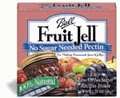
Making Jam? Need Pectin, but the local store is out?
Is your jam too runny? Pectin enables you to turn out perfectly set jam every time. Made from natural apples, there are also low-sugar pectins that allow you to reduce the sugar you add by almost half!
Pickling Mixes and Pickling Supplies
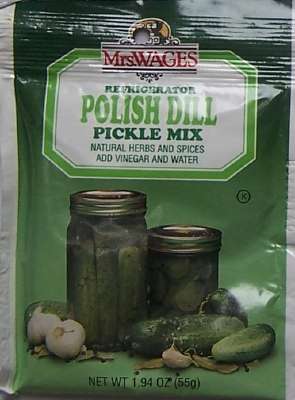
Pickles
Whether you want dills or sweet pickles; canning them or straight into the refrigerator; there is a mix for every taste and need here!Get them all here, delivered direct to your home, at the best prices on the internet! Get everything you need to make pickles: mixes, salt, brine, etc. here!
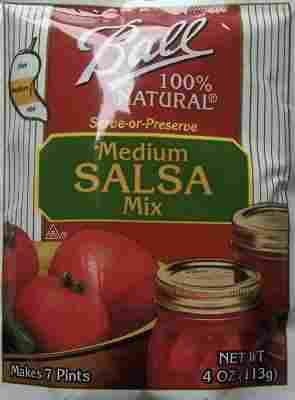
Sauce and Salsa Mixes

Looking for canning equipment and supplies?
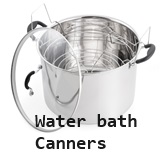
Water bath canner with a jar rack
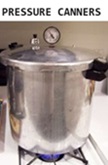
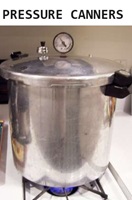
Pressure canners for gas, electric and induction stoves: Presto 23Qt or T-fal 22Qt
Canning scoop (this one is PERFECT)
Ball Blue book (most recent version)
Jars: 8oz canning jars for jams
Find Other types of farms:
Farm markets and roadside stands
Road trips and camping resources
Local Honey, apiaries, beekeepers
Consumer fraud and scams information
Home canning supplies at the best prices on the internet!
Maple Syrup Farms, sugarworks, maple syrup festivals
Environmental information and resources
Farms For Your Event for birthday parties, weddings, receptions, business meetings, retreats, etc.
Festivals - local fruit and vegetable festivals
Get the
most recent version of
the Ball Blue Book